

What means.. Hypoallergenic? Glutes? Alfalfa? Balancer? Organic? Mash?
HYPOALLERGENIC:
the proteins have been cut into very small pieces, so the body no longer recognizes them. This makes it unlikely that your pet will have an allergic reaction
NO GLUTES:
What is Gluten?
- A sticky protein that gives bread its chewy texture.
- Found in grains: wheat (including spelt, kamut, durum), barley, rye, and triticale (a wheat-rye hybrid).
Who Needs a Gluten-Free Diet?
- Celiac Disease: An autoimmune disorder where gluten damages the small intestine.
- Non-Celiac Gluten Sensitivity (NCGS): Causes symptoms like bloating, headaches, and fatigue.
- Wheat Allergy: An allergic reaction to wheat proteins.
Foods to Include (Naturally Gluten-Free)
- Fruits & Vegetables
- Meat, Fish, Poultry
- Dairy (milk, cheese, yogurt)
- Nuts & Legumes (beans, lentils)
- Gluten-Free Grains: Rice, corn, quinoa, buckwheat, millet, tapioca, amaranth
- Gluten-Free Products.
Foods to Avoid (Contain Gluten)
- Bread, pasta, cakes, cookies (unless labeled GF)
- Cereals (unless labeled GF)
- Beer, malt drinks
- Soy sauce, some soups, sauces, processed meats (check labels!)
Key Considerations
- Label Reading: Check ingredient lists for wheat, barley, rye, and malt.
- Cross-Contamination: Gluten can hide in shared processing facilities or kitchen items (toasters, cutting boards).
- Nutritional Balance: A poorly planned GF diet can lack fiber, iron, and B vitamins, so consulting a dietitian is helpful
NO ALFALFA:
“No Alfalfa” means choosing a forage/feed that avoids this specific plant to meet particular dietary requirements or avoid potential health issues.
ORGANIC
When you see “organic” on food, it’s a regulated label guaranteeing a specific, environmentally friendly production system, different from “natural,” which has fewer standards.
BALANCER
What it is:
- Nutrient-Dense: Packed with vitamins, minerals, and amino acids.
- Low Intake: Fed in small quantities (e.g., cups or small handfuls daily).
- Low Starch/Sugar: Typically low in calories, starch, and sugar.
Who it’s for:
- Good Doers: Horses that maintain weight easily on pasture or hay.
- Laminitics & Metabolic Horses: For low-starch, low-sugar needs.
- Fussy Eaters: Can be more palatable in small amounts than large grain rations.
- Horses with Specific Needs: Growing, working, pregnant, or healing horses needing targeted nutrients.
- Horses on Forage-Only Diets: To fill nutritional gaps.
Benefits:
- Balances Diet: Ensures essential micronutrients aren’t missing from forage.
- Supports Health: Promotes healthy hooves, coat, metabolism, and gut health.
- Manages Weight: Provides nutrients without excess calories.
MASH:
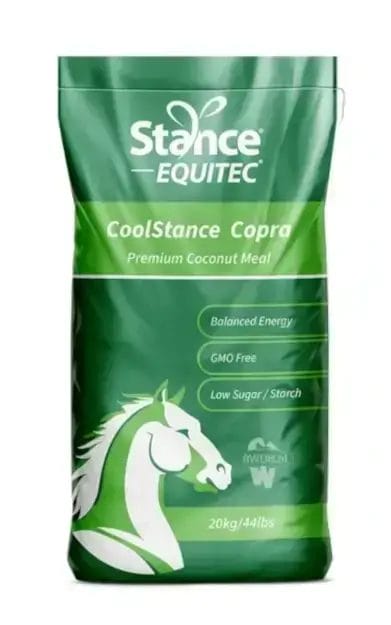
A horse mash is a palatable, porridge-like feed made by soaking dry ingredients (water, primarily to boost hydration and provide easy-to-digest nutrients for recovery after hard work, fussy eaters, or older horses with chewing issues, offering energy, vitamins, and minerals in a comforting meal.
Key benefits of feeding mash:
- Hydration: Significantly increases water intake, crucial for recovery and preventing dehydration, notes Kentucky Equine Research and Minerals by Nordic.
- Appetite Stimulation: The warmth and added ingredients make it very appealing, especially for picky eaters, say Equisense and Royal Horse.
- Recovery & Energy: Replenishes energy (glycogen) and provides easily digestible calories after strenuous exercise, notes Equisense and Minerals by Nordic.
- Digestive Aid (for some): Softer, easily digestible, beneficial for older horses or those with dental issues, say My Senior Horse and Minerals by Nordic.
- Nutrient Delivery: Can be fortified with oils, protein, vitamins, and minerals, according to RED MILLS Horse.
When to feed:
- After AND before intense exercise or competition.
- For fussy eaters or those needing encouragement to drink.
- For older horses with poor teeth.