 Flo Féa
What means.. Hypoallergenic? Glutes? Alfalfa? Balancer? Organic? Mash?
HYPOALLERGENIC:
The proteins have been cut into very small pieces, so the body no longer recognizes them. This makes it unlikely that your pet will have an allergic reaction. Above all, BF Petfood definition: monoproteïn, meaning a single meattype is delivering the proteins. For example: product contains only turkey meat.
NO GLUTES:
What is Gluten?
- A sticky protein that gives bread its chewy texture.
- Found in grains: wheat (including spelt, kamut, durum), barley, rye, and triticale (a wheat-rye hybrid).
Who Needs a Gluten-Free Diet?
- Celiac Disease: An autoimmune disorder where gluten damages the small intestine.
- Non-Celiac Gluten Sensitivity (NCGS): Causes symptoms like bloating, headaches, and fatigue.
- Wheat Allergy: An allergic reaction to wheat proteins.
Foods to Include (Naturally Gluten-Free)
- Fruits & Vegetables
- Meat, Fish, Poultry
- Dairy (milk, cheese, yogurt)
- Nuts & Legumes (beans, lentils)
- Gluten-Free Grains: Rice, corn, quinoa, buckwheat, millet, tapioca, amaranth
- Gluten-Free Products.
Foods to Avoid (Contain Gluten)
- Bread, pasta, cakes, cookies (unless labeled GF)
- Cereals (unless labeled GF)
- Beer, malt drinks
- Soy sauce, some soups, sauces, processed meats (check labels!)
Key Considerations
- Label Reading: Check ingredient lists for wheat, barley, rye, and malt.
- Cross-Contamination: Gluten can hide in shared processing facilities or kitchen items (toasters, cutting boards).
- Nutritional Balance: A poorly planned GF diet can lack fiber, iron, and B vitamins, so consulting a dietitian is helpful
NO ALFALFA:
“No Alfalfa” means choosing a forage/feed that avoids this specific plant to meet particular dietary requirements or avoid potential health issues.
ORGANIC
When you see “organic” on food, it’s a regulated label guaranteeing a specific, environmentally friendly production system, different from “natural,” which has fewer standards.
BALANCER
What it is:
- Nutrient-Dense: Packed with vitamins, minerals, and amino acids.
- Low Intake: Fed in small quantities (e.g., cups or small handfuls daily).
- Low Starch/Sugar: Typically low in calories, starch, and sugar.
Who it’s for:
- Good Doers: Horses that maintain weight easily on pasture or hay.
- Laminitics & Metabolic Horses: For low-starch, low-sugar needs.
- Fussy Eaters: Can be more palatable in small amounts than large grain rations.
- Horses with Specific Needs: Growing, working, pregnant, or healing horses needing targeted nutrients.
- Horses on Forage-Only Diets: To fill nutritional gaps.
Benefits:
- Balances Diet: Ensures essential micronutrients aren’t missing from forage.
- Supports Health: Promotes healthy hooves, coat, metabolism, and gut health.
- Manages Weight: Provides nutrients without excess calories.
MASH:
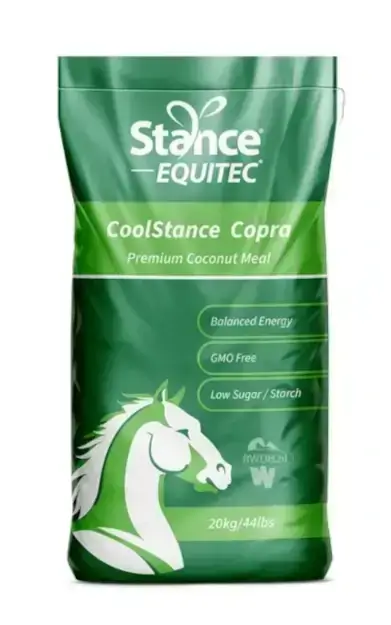
A horse mash is a palatable, porridge-like feed made by soaking dry ingredients (water, primarily to boost hydration and provide easy-to-digest nutrients for recovery after hard work, fussy eaters, or older horses with chewing issues, offering energy, vitamins, and minerals in a comforting meal.
Key benefits of feeding mash:
- Hydration: Significantly increases water intake, crucial for recovery and preventing dehydration, notes Kentucky Equine Research and Minerals by Nordic.
- Appetite Stimulation: The warmth and added ingredients make it very appealing, especially for picky eaters, say Equisense and Royal Horse.
- Recovery & Energy: Replenishes energy (glycogen) and provides easily digestible calories after strenuous exercise, notes Equisense and Minerals by Nordic.
- Digestive Aid (for some): Softer, easily digestible, beneficial for older horses or those with dental issues, say My Senior Horse and Minerals by Nordic.
- Nutrient Delivery: Can be fortified with oils, protein, vitamins, and minerals, according to RED MILLS Horse.
When to feed:
- After AND before intense exercise or competition.
- For fussy eaters or those needing encouragement to drink.
- For older horses with poor teeth.