Food Safety at Flo Féa
1. Purpose and Scope
Flo Féa is committed to providing safe, high-quality food to our customers in compliance with all relevant legislative requirements. This policy applies to all staff, contractors, and visitors involved in the purchasing, storage, preparation, feeding and service of food.
2. Management Commitment
Management will ensure that:
- Adequate resources are provided to maintain a safe food environment.
- All food handlers receive appropriate training, instruction, and tools to maintain hygiene standards.
- A food safety culture is fostered, where food safety is a top priority.
- Food safety risks are regularly reviewed, and assessments are updated.
3. Personal Hygiene Rules
All food handlers must adhere to the following rules:
- Handwashing: Wash hands thoroughly before starting work, after using the restroom, smoking, eating, or handling raw food.
- Clothing: Wear clean, provided protective clothing/aprons at all times.
- Jewellery/Accessories: No jewellery (except a plain wedding band) or watches are to be worn. No facial piercings.
- Hair: Hair must be tied back and, if necessary, covered with a hat or hairnet.
- Illness: Report any symptoms of diarrhea, vomiting, or infections to the manager immediately; do not work with food.
- Wounds: All wounds must be covered with a blue, detectable waterproof dressing.
- Prohibitions: No smoking, eating, or drinking in food preparation areas.
4. Safe Food Handling Procedures
- Temperature Control: Keep high-risk food cold (below 5°C) or hot (above 60°C). Cook food thoroughly.
- Cross-Contamination: Separate raw food from cooked/ready-to-eat food. Use separate, color-coded cutting boards and equipment.
- Cleaning: Maintain a strict cleaning schedule for all equipment and surfaces.
- Storage: Store food off the floor, labeled, and dated.
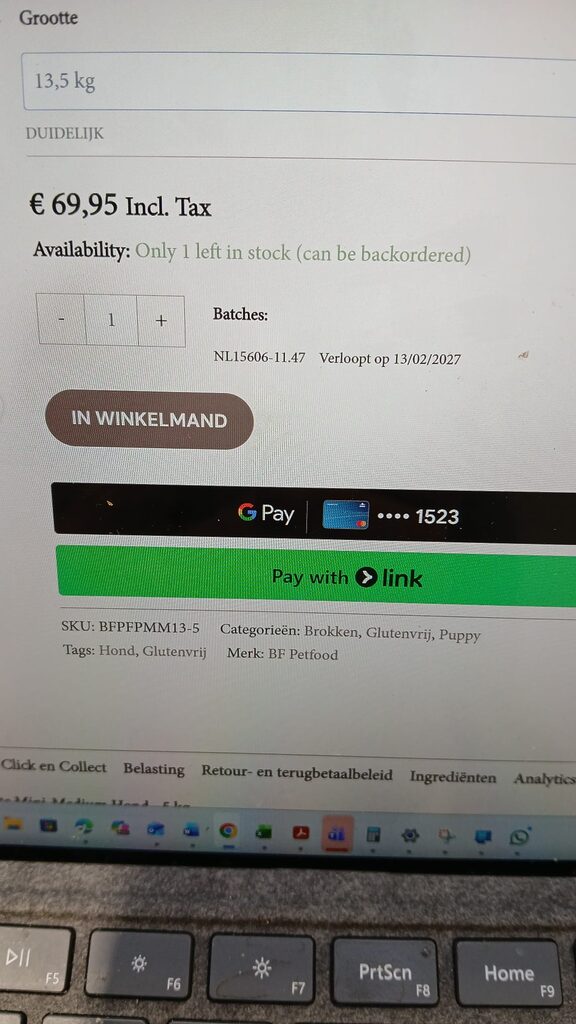
- Batch numbers and exparation dates are registred and a First In First Out policy is handled.
5. Training and Compliance
All staff are required to understand and comply with this policy. Management will supervise compliance and take corrective actions if procedures are not followed.