Added info by Flo Féa on 5th of May 2026:
These supplements are the purest available, making them ideal for dogs with sensitive digestive systems or specific food allergies.
BF Petfood Sheep Fat Bonbons (treats):
Garlic Bonbons: Sheep fat (95%), garlic (5%). Contains no grains, gluten, beef, chicken or dairy. The purest form of garlic; contains no fillers or allergens. Salmon Bonbons: Sheep fat and salmon oil. Contains no grains, gluten, beef, chicken or dairy. Rich in omega-3 for dogs without a fish intolerance. Tripe (pens) bonbons: Sheep fat and tripe. Contains animal protein (tripe). Supports gut flora. Seaweed Bonbons: Sheep fat and seaweed. Free from grains, gluten, beef, chicken and dairy. Supports pigmentation and coat health without animal proteins. Souplesse contains sheep fat, glucosamine and chondroitin. Contains fish-derived proteins. |
BF Petfood Yeast Tablets
These functional treats are based on whey and brewer's yeast. Not suitable for dogs with dairy or yeast allergies.
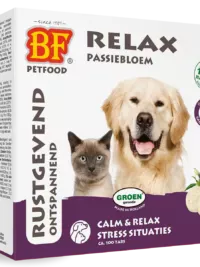
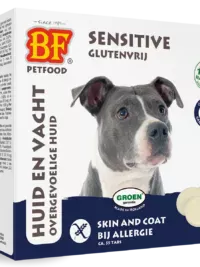
Garlic tablets: whey, brewer's yeast, rice and garlic. Contain vitamin B complex for skin and immunity. Sensitive tablets: whey, rice and brewer's yeast. Contains grains, gluten and meat proteins. Formulated to minimise the risk of allergic reactions. Relax tablets: whey, yeast, valerian, passionflower, grains and gluten. A natural tranquilliser without chemical additives. |
Liquid supplements:
Omega+ Liquid Sheep Fat contains sheep fat, salmon oil and sunflower oil. Free from grains, gluten and meat proteins (except fish). It is the ideal 'flavour enhancer' for fussy eaters with intolerances.
Why are additives like garlic safe?
The safety of additives in BF Petfood products is guaranteed by three factors:
1. Strict dosage control: The amount of garlic in the tablets and treats is tiny (approx. 4–5%). For a 10 kg dog, the toxic limit is around 50 grams of fresh garlic per day. These supplements remain 50–100 times below this threshold, even at the maximum dosage.
2. No synthetic substances: BF Petfood uses only natural ingredients. This prevents reactions to artificial colours, scents and flavours, which are often the true cause of 'allergic' symptoms.
3. Quality control on thiosulfates: The garlic extracts used are dosed in such a way that they retain their beneficial immune-boosting properties, while ensuring that thiosulfates, which are harmful to red blood cells, pose zero risk at these low concentrations.
In the world of dog food and supplements, these three terms refer to the manufacturing process and the effect of the food on a dog's body. Here is the explanation for each:
1. Pressed dog food (cold pressed): 'Pressed' refers to the manufacturing process. Unlike standard kibble, which is cooked at high temperatures under pressure (extrusion), pressed food is produced at lower temperatures (approximately 70–75°C).
The process: The ingredients are mixed and pressed through a die into a pellet shape.
The benefit is that, because the heat is lower, more natural vitamins, minerals and oils remain intact.
Digestion: Pressed kibble dissolves from the outside in and does not swell in the stomach. This puts less strain on the digestive tract and reduces the risk of 'bloat' (gastric torsion).
2. Crispy dog food (extruded)
'Crispy' (often referred to as 'krokant' in Dutch) is the standard crunchy kibble that most people are familiar with.
The process: The ingredients are cooked at temperatures above 100°C and 'puffed' through an extruder.
This makes the starches more digestible (pre-gelatinised). The crunchy texture also helps clean the dog's teeth while it chews.
Digestion: These kibbles tend to float and swell when they come into contact with the moisture in a dog's stomach.
3. Hypoallergenic:
'Hypoallergenic' means that the food is formulated to minimise the risk of causing an allergic reaction.
Limited ingredients: They usually contain only one protein source (e.g. lamb, duck or venison) and one carbohydrate source (e.g. rice or potato), which are not commonly associated with allergies.
'Novel proteins' use 'exotic' proteins that the dog has never eaten before, such as horse or rabbit, so the immune system does not recognise them as a threat.
Hydrolysed protein: In some medical diets, the protein is 'chopped up' (hydrolysed) into tiny pieces so that the dog's immune system cannot detect it, thus preventing an allergic response.
Summary table:
Pressed: low temperature, no stomach swelling. Suitable for sensitive stomachs and active dogs.
Crispy: Crunchy and helps with teeth cleaning. Suitable for dogs that like to chew and ideal for easy storage.
Hypoallergenic: avoids common allergens such as beef and chicken. It is suitable for dogs with itchy skin or food allergies.
The average shelf life of Biofood kibble and other dry products is 12–18 months from the production date.
However, this changes significantly once the package is opened. To ensure optimal quality and safety, please follow these guidelines, which are based on industry standards and manufacturer recommendations.
Shelf life guidelines:
Unopened: 12–18 months if stored in a cool, dry, dark place. Always refer to the 'best before' date stamped on the packaging.
Opened: Once the seal is broken, it is highly recommended that you consume the kibble within four to six weeks. Exposure to oxygen begins a process called oxidation, which can cause fats to go rancid and nutrients, such as vitamins, to degrade.[1, 2, 3, 4, 5] [1, 2, 3, 4, 5]
Critical storage tips for freshness:
To maximise shelf life, BF Petfood and other experts recommend:
Keep it in the original bag: The packaging is specifically designed to act as a barrier against moisture and air.
Use an airtight secondary container. For extra protection, place the entire original bag inside an airtight plastic or metal container.
Avoid high temperatures. Store the food below 21°C (70°F). Never store pet food in garages, sheds, or near heat-emitting appliances, as heat accelerates spoilage and attracts pests.
Never mix batches. Do not pour new kibble onto old remains in a container, as the residual fats from the old food can contaminate the new food. [1, 2, 3, 4, 5, 6]
Signs of spoiled food include a sour or rancid smell, visible mould or your dog refusing to eat a meal they would normally enjoy. Discard it immediately if you notice any of these signs.
#wpforms-1094731 {
--wpforms-field-size-input-height: 43px;
--wpforms-field-size-input-spacing: 15px;
--wpforms-field-size-font-size: 16px;
--wpforms-field-size-line-height: 19px;
--wpforms-field-size-padding-h: 14px;
--wpforms-field-size-checkbox-size: 16px;
--wpforms-field-size-sublabel-spacing: 5px;
--wpforms-field-size-icon-size: 1;
--wpforms-label-size-font-size: 16px;
--wpforms-label-size-line-height: 19px;
--wpforms-label-size-sublabel-font-size: 14px;
--wpforms-label-size-sublabel-line-height: 17px;
--wpforms-button-size-font-size: 17px;
--wpforms-button-size-height: 41px;
--wpforms-button-size-padding-h: 15px;
--wpforms-button-size-margin-top: 10px;
--wpforms-container-shadow-size-box-shadow: none;
}
Flo Féa is also adding brand Autarky
Autarky is a British brand originally developed for active and working dogs, which is why its recipes are more specialized than standard pet-store kibble. It focuses on a holistic, nutrient-dense approach to provide high energy and recovery support for dogs with "jobs" (like agility, farm work, or gundogs). [1, 2, 3]
Why it is Healthy:
100% Natural Ingredients: Autarky uses high-quality ingredients without any artificial colors, flavors, or preservatives.
Hypoallergenic Recipes: All diets are formulated to be wheat-gluten and soya-free, reducing the risk of common digestive upsets and skin irritations.
Natural Antioxidant Package: They include a blend of natural antioxidants to help "mop up" free radicals produced during heavy exercise, supporting the immune system.
Digestive Support: Recipes often contain prebiotics (like MOS) and Yucca Schidigera to support a healthy gut microbiome and reduce stool odor. [1, 2, 3, 4, 5]
Specialized Features
The brand is specialized because it targets specific physiological needs of active dogs: [1, 2]
Joint Care Package: Most specialized ranges (especially Grain-Free and Mature) include a symbiotic blend of olive extract, green-lipped mussel, marine algae, and glucosamine for superior mobility support.
Tailored Energy Release: For example, the Turkey & Potato recipe uses slow-release carbohydrates from potatoes to keep energy levels stable throughout a long working day.
Life-Stage Specificity:
Puppy/Junior: Balanced for steady growth with DHA for brain development.
Mature Lite: Lower in calories for older working dogs but packed with extra joint support.
Working Dog Heritage: Formulated by leading British canine nutritionists and produced in specialist mills, it is specifically designed for high performance rather than just sedentary 'pet' lifestyles.
Added info by Flo Féa on 5th of May 2026:
BF Petfood Sheep Fat Bonbons (Treats)
These are the purest supplements, ideal for dogs with sensitive digestive systems or specific food allergies.
Garlic Bonbon | Sheep fat (95%), Garlic (5%) | Grains, Gluten, Beef, Chicken, Dairy | The purest form of garlic; contains no fillers or allergens. |
Salmon Bonbon | Sheep fat, Salmon oil | Grains, Gluten, Beef, Chicken, Dairy | Rich in Omega-3 for dogs without fish intolerance. |
Tripe (Pens) Bonbon | Sheep fat, Tripe | Grains, Gluten, Chicken | Supports gut flora; contains animal protein (tripe). |
Seaweed Bonbon | Sheep fat, Seaweed | Grains, Gluten, Beef, Chicken, Dairy | Supports pigmentation and coat without animal proteins. |
Souplesse | Sheep fat, Glucosamine, Chondroitin | Grains, Gluten | Supports joints; contains fish-derived proteins. |
BF Petfood Yeast Tablets
These functional treats are based on whey and brewer's yeast. They are less suitable for dogs with dairy or yeast allergies.
Garlic Tablets | Whey, Brewer's yeast, Rice, Garlic | Grains, Gluten | Contains Vitamin B-complex for skin and immunity. |
Sensitive Tablets | Whey, Rice, Brewer's yeast | Grains, Gluten, Meat proteins | Formulated to minimize the risk of allergic reactions. |
Relax Tablets | Whey, Yeast, Valerian, Passionflower | Grains, Gluten | Natural tranquilizer without chemical additives. |
Liquid Supplements
Omega+ Liquid Sheep Fat: Contains sheep fat, salmon oil, and sunflower oil. It is free from grains, gluten, and meat proteins (except fish). It is the ideal "flavor enhancer" for dogs that are picky eaters due to intolerances.
------------------------------
Why are these additives (like garlic) safe?
The safety of additives in BF Petfood products is guaranteed by three factors:
1. Strict Dosage Control: The amount of garlic in the tablets and bonbons is tiny (approx. 4% to 5%). For a 10 kg dog, the toxic limit is around 50 grams of fresh garlic per day. These supplements remain a factor of 50 to 100 below this threshold, even at maximum dosage.
2. No Synthetic Substances: BF Petfood uses only natural ingredients. This prevents reactions to artificial colors, scents, and flavors, which are often the true cause of "allergic" symptoms.
3. Quality Control on Thiosulfates: The garlic extracts used are dosed to retain beneficial properties (for immunity) while ensuring that thiosulfates (the substances harmful to red blood cells) pose zero risk in these low concentrations.
In the world of dog food and supplements, these three terms refer to how the food is made and how it affects the dog's body. Here is the explanation for each:
1. Pressed Dog Food (Cold Pressed)
'Pressed' refers to the manufacturing process. Unlike standard kibble, which is cooked at high temperatures under pressure (extrusion), pressed food is produced at lower temperatures (approx. 70°C–75°C).
The Process: The ingredients are mixed and pressed through a die into a pellet shape.
The Benefit: Because the heat is lower, more natural vitamins, minerals, and oils remain intact.
Digestion: Pressed kibble dissolves from the outside in and does not swell in the stomach. This makes it easier on the digestive tract and reduces the risk of "bloat" (stomach torsion).
2. Crispy Dog Food (Extruded)
"Crispy" (often referred to as krokant in Dutch) is the standard crunchy kibble most people know.
The Process: The ingredients are cooked at high temperatures (above 100°C) and "puffed" through an extruder.
The Benefit: The high heat makes the starches more digestible (pre-gelatinized). The crunchy texture also helps mechanically clean the teeth as the dog chews.
Digestion: These kibbles tend to float and swell when they come into contact with moisture in the stomach.
3. Hypoallergenic
'Hypoallergenic' means that the food is formulated to have a very low risk of causing an allergic reaction.
Limited Ingredients: It usually contains only one protein source (e.g., lamb, duck, or venison) and one carbohydrate source (e.g., rice or potato) that are not commonly associated with allergies.
Novel Proteins: It often uses "exotic" proteins that the dog has never eaten before (like horse or rabbit), so the immune system doesn't recognize them as a threat.
Hydrolyzed Protein: In some medical diets, the protein is "chopped up" into such tiny pieces (hydrolyzed) that the dog's immune system cannot detect it, preventing an allergic response.
Summary Table
Term Main Characteristic Best For
Pressed Low temp, no swelling in stomach. Sensitive stomachs, active dogs.
Crispy Crunchy, helps with teeth cleaning. Dogs that like to chew, easy storage.
Hypoallergenic Avoids common allergens (beef/chicken). Dogs with itchy skin or food allergies.
The average shelf life of BF Petfood (Biofood) kibble and other dry products is 12 to 18 months from the date of production.
However, this duration significantly changes once the package is opened. For optimal quality and safety, follow these specific timelines based on industry standards and manufacturer advice:
Shelf Life Guidelines
Unopened: 12 to 18 months, as long as it is stored in a cool, dry, and dark place. Always refer to the "best before" date stamped on the packaging.
Opened: Once the seal is broken, it is highly recommended to consume the kibble within 4 to 6 weeks. Exposure to oxygen begins a process called oxidation, which can cause fats to go rancid and nutrients (like vitamins) to degrade. [1, 2, 3, 4, 5]
Critical Storage Tips for Freshness
To reach the maximum shelf life, BF Petfood and other experts recommend:
Keep it in the original bag: The packaging is specifically designed to act as a barrier against moisture and air.
Use an airtight secondary container: For extra protection, place the entire original bag inside an airtight plastic or metal bin.
Avoid high temperatures: Store the food below 21°C (70°F). Never store pet food in garages, sheds, or near heat-emitting appliances, as heat accelerates spoilage and attracts pests.
Never mix batches: Do not pour new kibble on top of old remains in a container, as residual old fats can contaminate the new food. [1, 2, 3, 4, 5, 6]
Signs of Spoiled Food:
If the food has a sour or rancid smell, visible mold, or if your dog refuses to eat a normally favored meal, discard it immediately.
#wpforms-1094731 {
--wpforms-field-size-input-height: 43px;
--wpforms-field-size-input-spacing: 15px;
--wpforms-field-size-font-size: 16px;
--wpforms-field-size-line-height: 19px;
--wpforms-field-size-padding-h: 14px;
--wpforms-field-size-checkbox-size: 16px;
--wpforms-field-size-sublabel-spacing: 5px;
--wpforms-field-size-icon-size: 1;
--wpforms-label-size-font-size: 16px;
--wpforms-label-size-line-height: 19px;
--wpforms-label-size-sublabel-font-size: 14px;
--wpforms-label-size-sublabel-line-height: 17px;
--wpforms-button-size-font-size: 17px;
--wpforms-button-size-height: 41px;
--wpforms-button-size-padding-h: 15px;
--wpforms-button-size-margin-top: 10px;
--wpforms-container-shadow-size-box-shadow: none;
}
Flo Féa is also adding brand Autarky
Autarky is a British brand originally developed for active and working dogs, which is why its recipes are more specialized than standard pet-store kibble. It focuses on a holistic, nutrient-dense approach to provide high energy and recovery support for dogs with "jobs" (like agility, farm work, or gundogs). [1, 2, 3]
Why it is Healthy:
100% Natural Ingredients: Autarky uses high-quality ingredients without any artificial colors, flavors, or preservatives.
Hypoallergenic Recipes: All diets are formulated to be wheat-gluten and soya-free, reducing the risk of common digestive upsets and skin irritations.
Natural Antioxidant Package: They include a blend of natural antioxidants to help "mop up" free radicals produced during heavy exercise, supporting the immune system.
Digestive Support: Recipes often contain prebiotics (like MOS) and Yucca Schidigera to support a healthy gut microbiome and reduce stool odor. [1, 2, 3, 4, 5]
Specialized Features
The brand is specialized because it targets specific physiological needs of active dogs: [1, 2]
Joint Care Package: Most specialized ranges (especially Grain-Free and Mature) include a symbiotic blend of olive extract, green-lipped mussel, marine algae, and glucosamine for superior mobility support.
Tailored Energy Release: For example, the Turkey & Potato recipe uses slow-release carbohydrates from potatoes to keep energy levels stable throughout a long working day.
Life-Stage Specificity:
Puppy/Junior: Balanced for steady growth with DHA for brain development.
Mature Lite: Lower in calories for older working dogs but packed with extra joint support.
Working Dog Heritage: Formulated by leading British canine nutritionists and produced in specialist mills, it is specifically designed for high performance rather than just sedentary 'pet' lifestyles.
Healthy cat food is based on the fact that cats are obligate carnivores. Their bodies are specifically designed to derive energy and nutrients from animal sources.
A balanced diet includes:High-Quality Animal Protein:
Meat or fish should be the main ingredient.
Proteins are essential for muscles, organs, and a healthy coat.
Taurine: This is a vital amino acid that cats cannot produce themselves. A deficiency can lead to blindness and heart problems.
Moisture (Wet Food): Cats naturally have a low thirst drive. Wet food helps maintain hydration and prevents kidney and bladder issues.
Healthy Fats: Omega-3 and Omega-6 fatty acids for a healthy skin and to reduce inflammation.
Low Carbohydrates: Cats have very little need for sugars or grains. Too many carbs can lead to obesity and diabetes.
Here is the additional information about grain-free nutrition and the specific approach of BF Petfood for cats:
Grain-Free Food: Is it the best choice?For many cats, grain-free food is an excellent choice, but it is not a 'must' unless there is a specific allergy.
The Advantage: It better mimics the natural diet of a wild cat (mice, birds), as these prey animals contain almost no carbohydrates.
Digestion: Cats lack the enzyme (amylase) in their saliva to break down large amounts of starch. Grain-free food often prevents bloating and soft stools.
Weight Control: Many grain-free options replace grains with higher-quality meat, which helps prevent diabetes and obesity.
Why choose BF Petfood for your cat?
BF Petfood (Biofood) applies their "natural" philosophy to cat food with a focus on three key points:
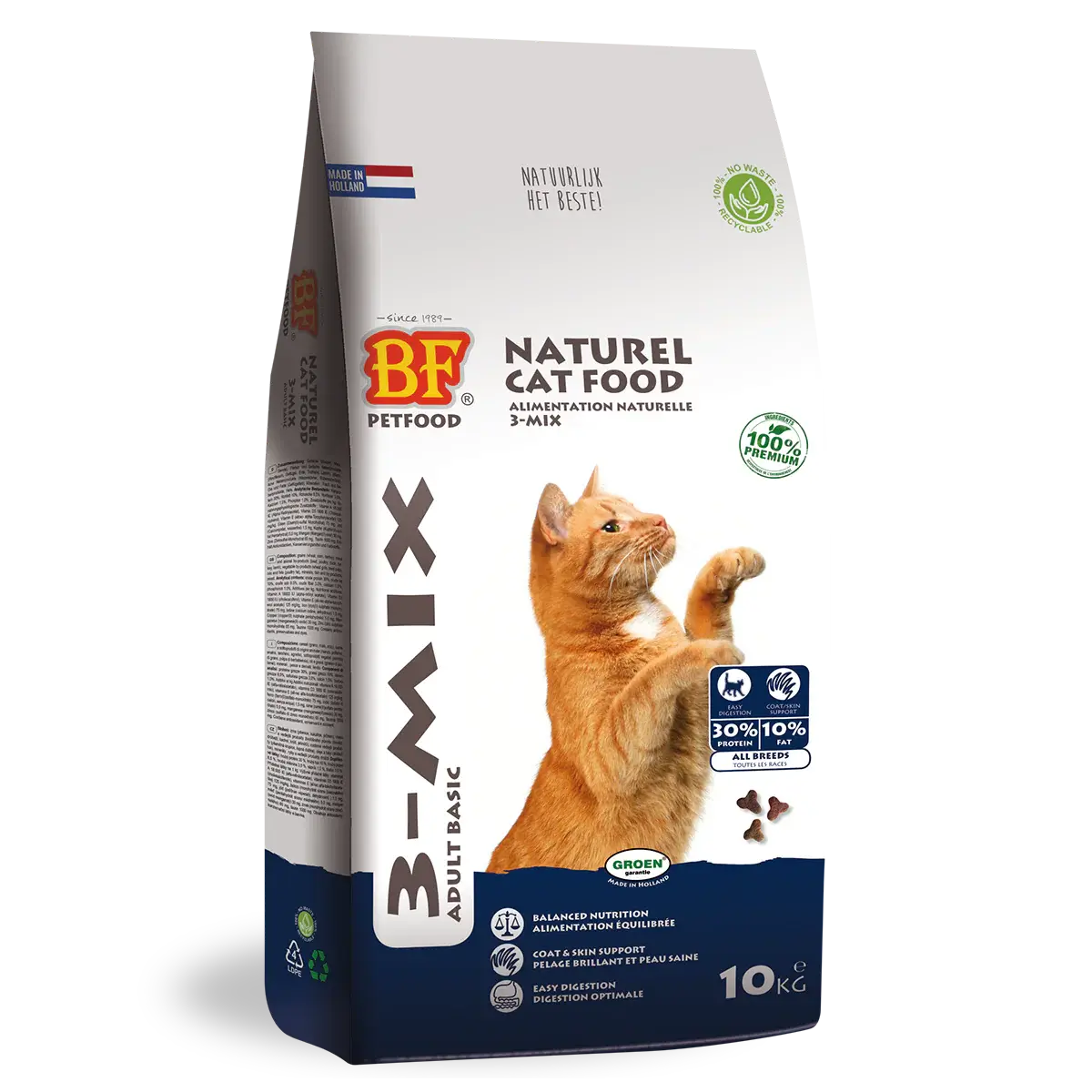
High Meat Content: Their products (such as the High Energy or 3-in-1 lines) use chicken, beef, or fish as the main ingredient, providing the essential animal proteins cats need.
Urinary Tract Support: Cats are prone to bladder stones (struvite). BF Petfood adds ingredients that help regulate the pH value of the urine (acidification), which helps prevent the formation of crystals.Natural Extras:Salmon Oil: For a shiny coat and fewer hairballs.Taurine: Always added in the correct amount for a healthy heart and sharp vision.
Prebiotics: Such as inulin, to keep the cat's intestinal flora healthy.RecommendationFor the sensitive cat: Choose BF Petfood No Grain. This is based on fish and chicken and is completely free of wheat and corn.For the indoor cat: The 3-in-1 variant is ideal; it helps prevent hairballs, supports the urinary tract, and helps keep weight stable.
How long can you keep cat kibble for?
Cat food comes in various sizes, both in-store and online. When it comes to kibble in particular, there are several options: small bags weighing 400–500 grams, medium-sized bags weighing 1.5–2 kilos, and large bags weighing 5 kilos or more.
You may have noticed that the larger the bag, the lower the price per kilo. Sometimes this can mean saving up to 50% on the price per kilo, particularly when comparing small bags with mega bags.
But is it wise to buy such large bags?
What about shelf life or freshness?
Every packet has a best-before date. These are required by law. However, it is often forgotten that this date only applies as long as the packet is unopened. Once opened, the date is of little significance.
The special bag surrounding the cat food ensures that as little oxygen as possible gets in. As soon as you open the bag, oxygen naturally enters. Oxygen causes nutrients such as vitamins and fats to lose their nutritional value. The longer the food is exposed to oxygen, the lower its nutritional value becomes. This process is called oxidation.
Compare it to a jar of vegetables or a carton of long-life milk. Although you can keep them sealed for up to a year, once opened, they should be used within a few days. This is true even if you screw the lid back on the jar of vegetables tightly!
So, how long do cat kibbles last after opening the bag?
This varies by brand, as it partly depends on the preservatives used. Synthetic preservatives such as BHA and BHT keep food fresh for longer than natural alternatives such as vitamin E or rosemary oil.
It also depends on the ingredients. Polyunsaturated fats, including omega-3 and omega-6, oxidise more quickly than saturated fats due to oxygen. Fish oil contains a lot of omega-3, so if it has been added to a product, bear in mind that it loses its nutritional value quickly after opening.
Ideally, it should be used within 2–6 weeks, but no more than 8 weeks. The more natural antioxidants combined with fish oil, for example, the faster it needs to be used up.
Storage tips: it is generally recommended that you store cat kibble for a maximum of six weeks after opening, at a temperature of no more than 21°C and with a humidity level of no more than 15%.
Store it in the manufacturer's bag and squeeze out as much air as possible. If necessary, place the bag in an airtight container.
Important: Do not empty the kibble into a container like this, as oxygen will still get in, and the fats will seep into the plastic, causing oxidation to continue even after the food has been finished and a new batch has been put in!
For daily feeding, use a smaller container to minimise the number of times the packaging is opened and closed. This minimises the oxygen supply to the food. Glass is preferable to plastic. An old spaghetti jar works perfectly.
Freezing kibble?
You can also freeze it in smaller portions. This prevents oxygen from getting in and slows down oxidation significantly. This means you can buy a slightly larger bag. As freezing also affects the nutritional value, I recommend using it up within three months.
How long can you keep tinned cat food for?
Canning is another method of preservation. As long as the tin is sealed, no oxygen can get in. That’s why it has a long shelf life. Once opened, you can keep it in the fridge for about three days. Bear in mind that you wouldn't want to eat leftovers from five days ago yourself!
What are the consequences of storing it for longer?
Storing it for longer can significantly reduce its nutritional value. In fact, the body absorbs too few nutrients. In the long term, this can certainly have an impact on your health.
Furthermore, it can lead to reduced palatability, mould, microtoxins, and bacterial growth. The former can result in your cat eating less for no apparent reason, while the latter three can make your cat seriously ill.
What size of bag can you buy?
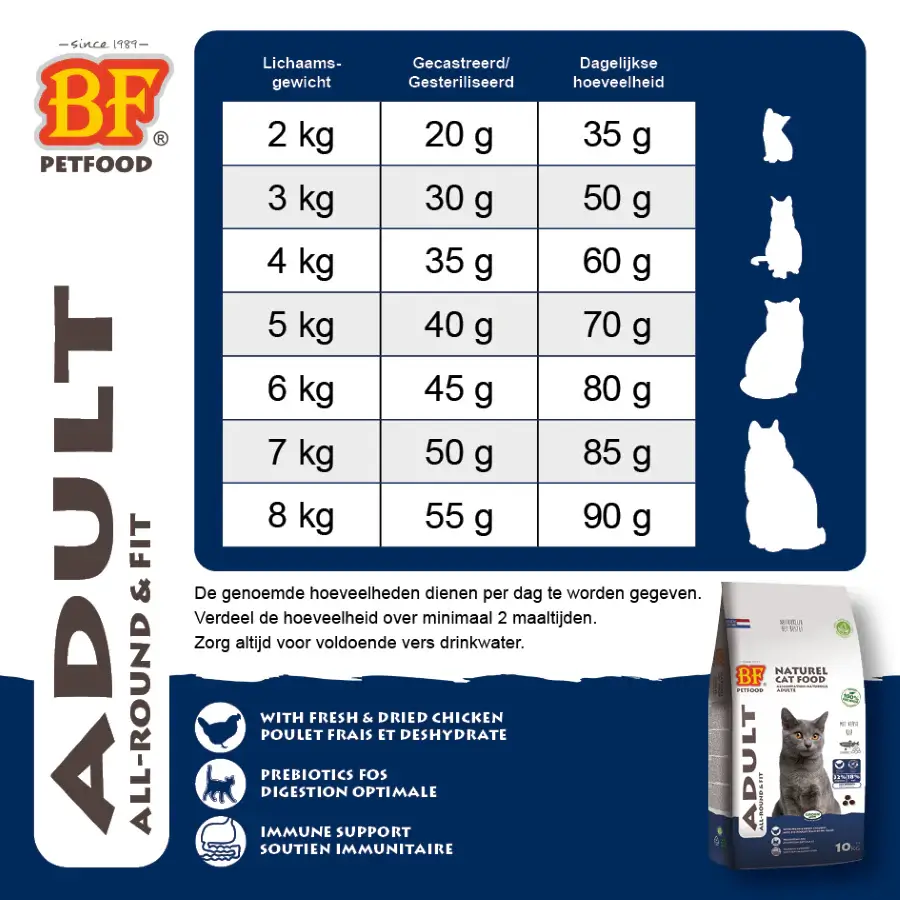
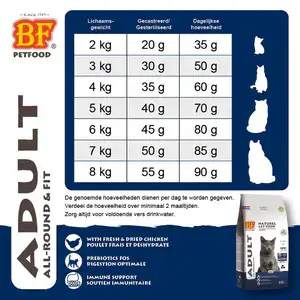
The average domestic cat weighs around 4 kg and, after neutering, is allowed an average of 50 g of kibble per day. (Tip: With the Nutrition Tool, you can calculate exactly how much your cat is allowed!) Therefore, in six weeks, you will use 2,100 grams, or 2.1 kilos.
A 10-kilo bag wouldn't be very practical for a single cat as it would last nearly five times as long. This means you won't get the optimal nutritional value from the bag, which could lead to a deficiency in essential nutrients.
In this example, I’m assuming dry food only, which I don't recommend for cats due to the low moisture content. If you were to feed a 50/50 mix of dry and wet food (or raw meat), you would use around 1 kg of food over six weeks and would therefore need smaller bags.
This option might be slightly more expensive, but it’s certainly better for your cat in terms of optimal nutritional value.
Notes:
Please note that these vitamin E (tocopherols) are produced in a laboratory, just like rosemary oil and vitamin C (ascorbic acid). These are therefore also synthetic, but are generally considered less controversial and are sometimes used to make products appear more natural.
Please note: This is an average. The actual amount depends on the calorie density and digestibility of the food itself, as well as individual factors relating to your cat, such as metabolic rate. The Feeding Tool can tell you exactly how much dry and wet food your cat should have.
Source: https://www.catmoneo.nl/


 Flo Féa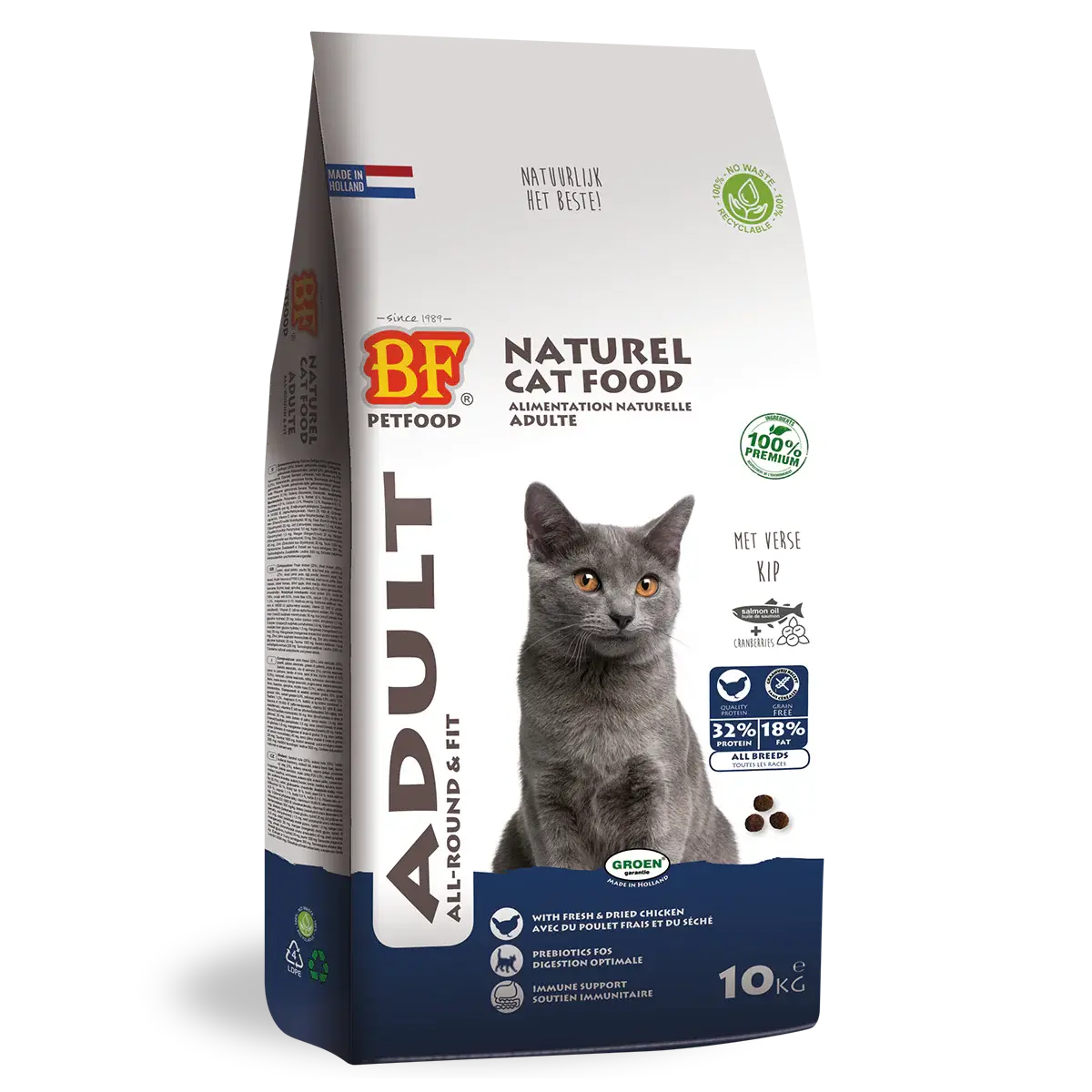



Reviews
There are no reviews yet.