

 Flo Féa
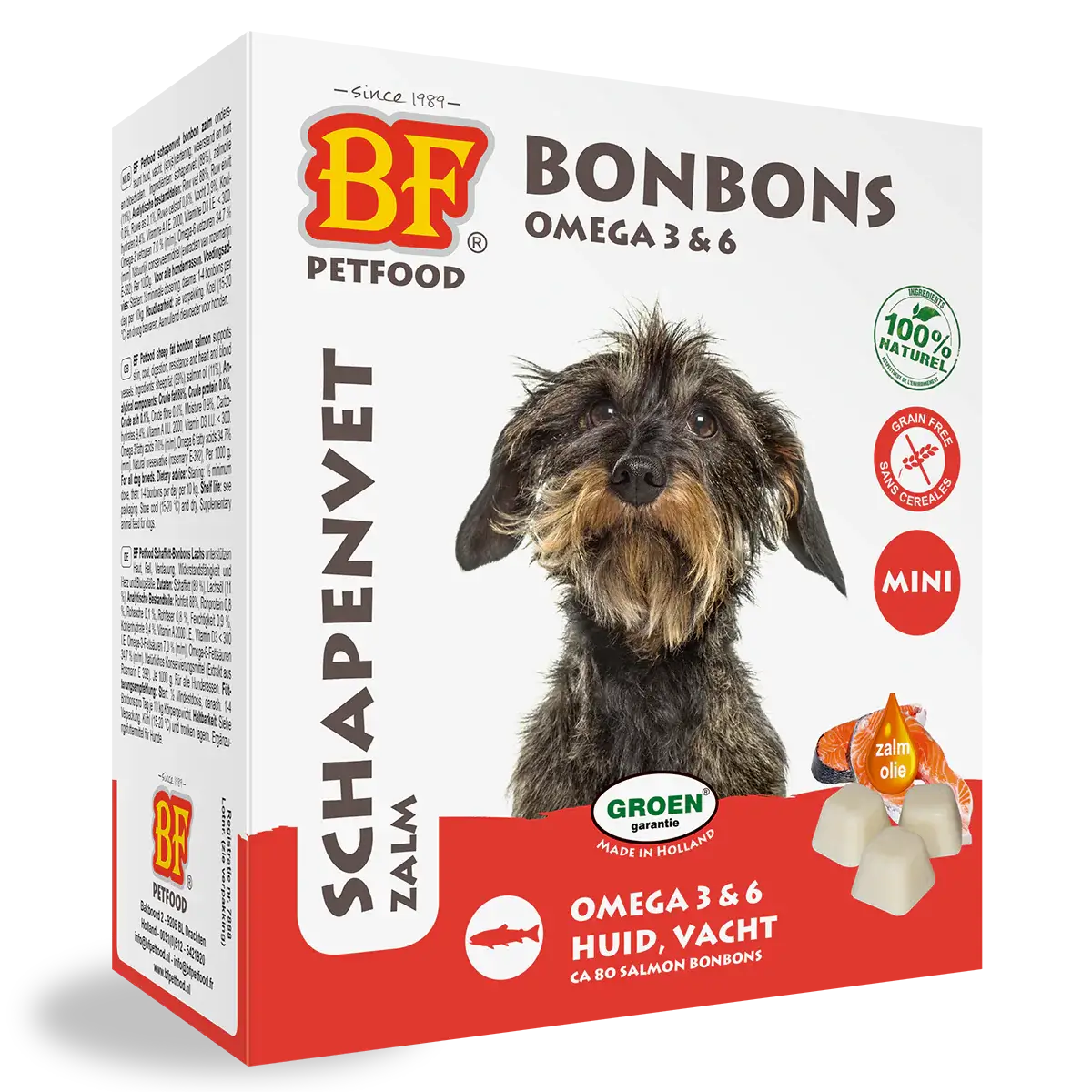
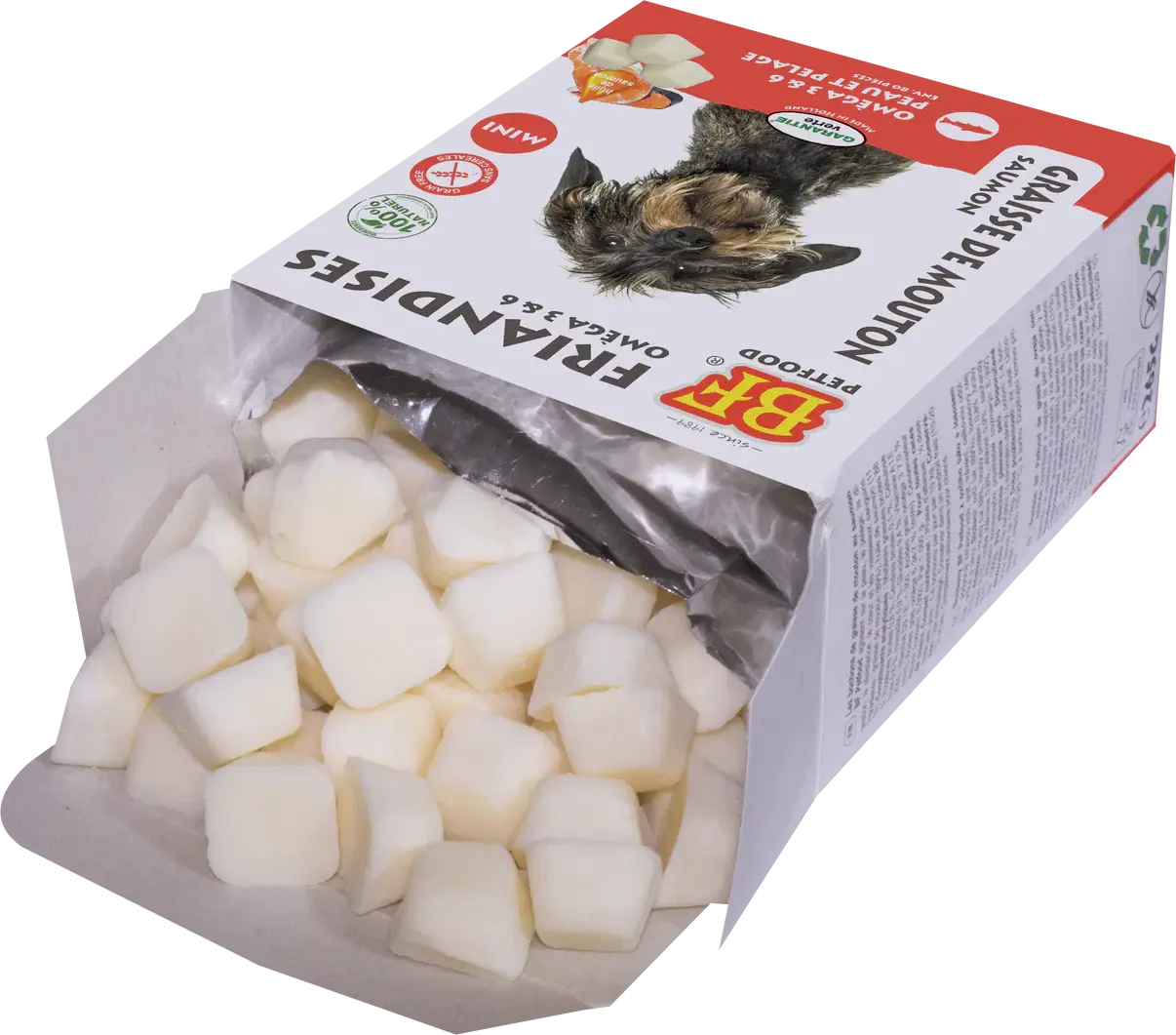

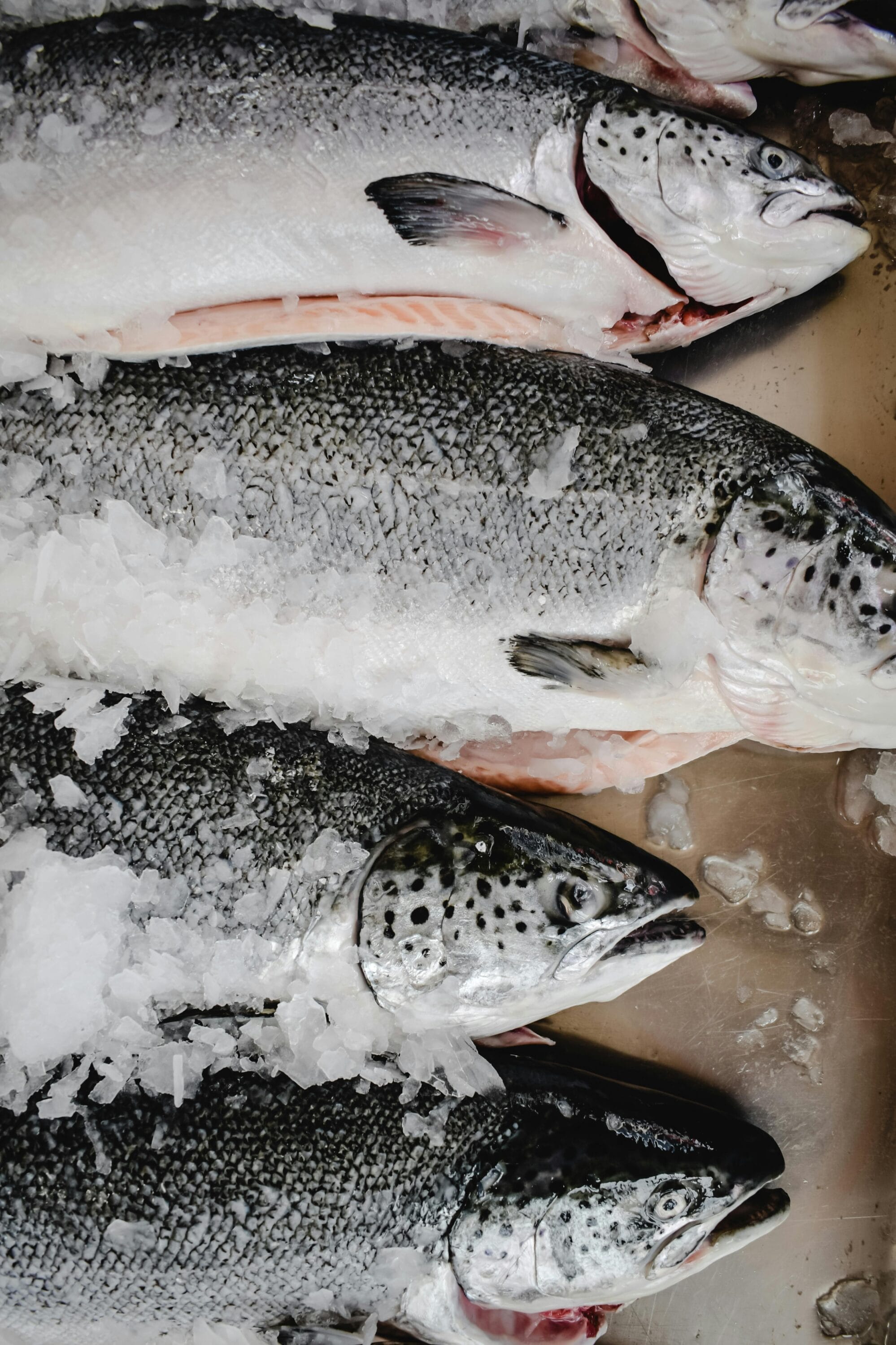


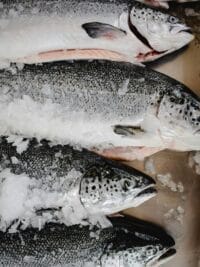
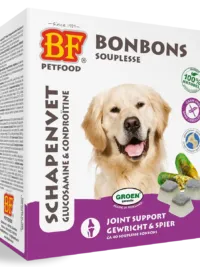
- Tasty sheep fat bonbon with cold-pressed salmon oil.
- Supports skin, coat, digestion and immunity.
- For all dog breeds and all ages.
- About 80 pieces
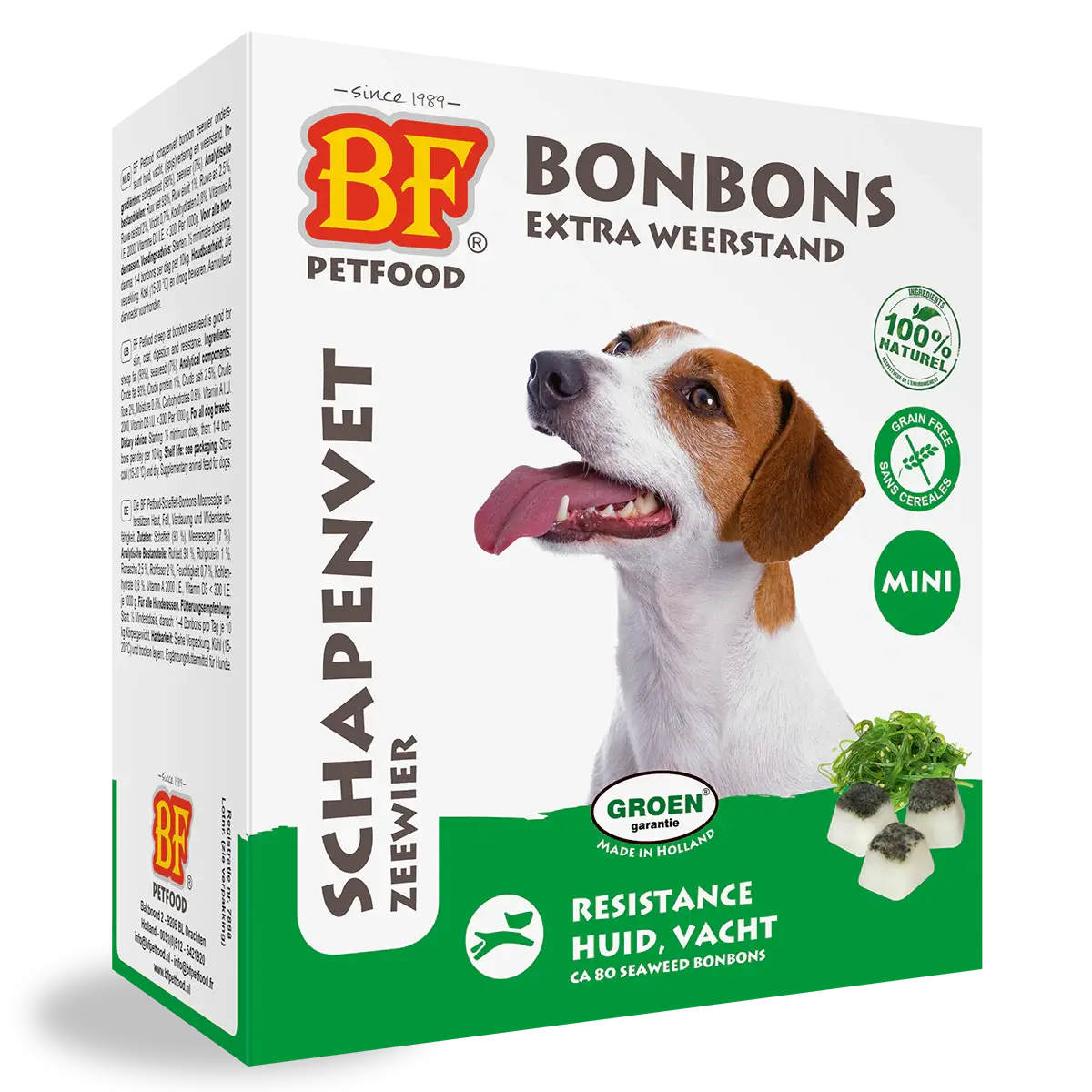
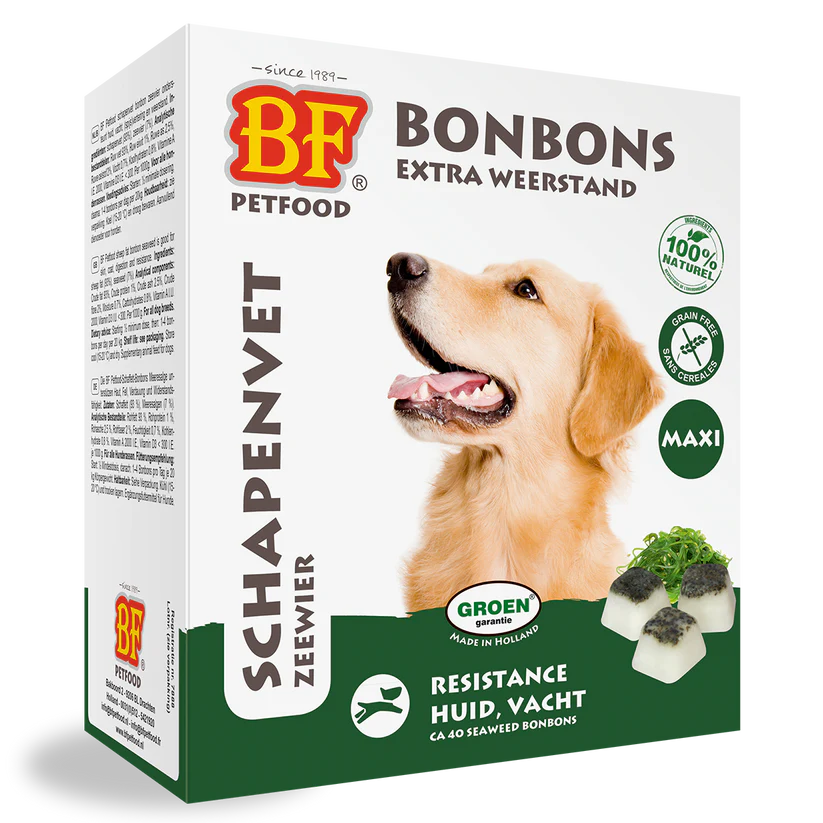
The original BF® sheep fat bonbon with salmon oil is a natural and highly effective remedy for supporting skin, coat, digestion and immunity. It is also an exceptionally healthy and tasty addition to your dog’s daily diet. The salmon bonbon is rich in omega 3 and 6 fatty acids. Supports skin, coat, heart and blood vessels. Also suitable for dogs with food allergies that are on a lamb-based diet.
Sheep fat contains approximately 58% saturated fatty acids and approximately 32% monounsaturated fatty acids. Fat is a flavour enhancer and important for the transport of vitamins A, D, E and K in the body. In addition, the dog’s fat metabolism is very efficient at processing fat and converting it into energy.
For all dog breeds and all ages.
- Top Dutch quality.
- Sheep fat with salmon oil.
- Grain and gluten free.
- Salmon oil is rich in omega 3 and 6 fatty acids.
- Supports skin, coat, heart and blood vessels, and stomach and intestinal flora.
- Healthy, low-carbohydrate snack.
- Stimulates nutrient absorption.
- Recyclable packaging with FSC certification.
- Healthy addition to daily nutrition.
Flo Féa added on 8th of May 2026:
Sheep fat is a popular dietary supplement for dogs due to its beneficial effects on skin, coat, digestion and energy levels. It is often supplied as a liquid or in the form of cubes that can be used as treats.
The key benefits of sheep fat are:
– Healthy skin and a shiny coat. It contains vitamins A and E, as well as essential fatty acids such as omega-6, which combat dry, flaky skin and excessive shedding.
– Improved digestion and gut flora: Sheep fat forms a protective layer on the intestinal wall, improving nutrient absorption and helping to alleviate loose stools and diarrhoea.
– Energy boost: Sheep fat is a highly concentrated source of calories (approximately 840 kcal per 100 g), making it ideal for active dogs, working dogs or those that need to gain weight.
Higher resistance: The vitamins A and D present support the immune system and contribute to strong bones and good eyesight.
Appetite stimulant: Due to its strong smell and taste, it is an excellent ‘topping’ for fussy eaters.
Points to note:
Weight: As it is pure fat, excessive use can lead to weight gain.
Gradual introduction: Always start with a small amount to allow your dog’s digestive system to adjust and prevent diarrhoea.
Varieties: Some varieties contain added ingredients, such as garlic (to combat fleas and ticks) or salmon oil (for extra omega-3).Your dog’s body cannot produce omega-3 fatty acids, so it must obtain them from food or supplements. We call these ‘essential’ fats. Omega-3 fatty acids provide comprehensive support for almost every bodily system, from a puppy’s development to age-related conditions. The main benefits for dogs are:
Reduction of inflammation and pain: Omega-3 (particularly EPA) has powerful anti-inflammatory properties. It helps reduce joint pain caused by osteoarthritis and improves mobility.
Healthy skin and coat: Strengthening the skin barrier combats itching, flaking and allergies, ensuring a glossy coat.
Brain development and cognition: DHA is crucial for brain and vision development in puppies. In older dogs, it helps to maintain cognitive function and reduce dementia-like symptoms.
Heart and kidney support: It promotes a healthy heart rhythm, lowers blood pressure and slows the progression of kidney disease.
Immune system support: It helps dogs fight infections more effectively and may support the treatment of certain cancers.
Why supplement?
Most commercial dog food contains excess omega-6 (from grains and vegetable oils), which can cause inflammation. Omega-3 helps to restore this balance.
Not all sources of omega-3 are equally effective for dogs.
Marine sources (fish oil, krill oil and algae): They contain readily usable EPA and DHA. These are the most effective sources for dogs.
Plant-based sources (linseed and chia): Contain ALA, which dogs can only convert into EPA and DHA to a limited extent. Therefore, these sources are less effective for therapeutic purposes.

Are you looking for: