
 Flo Féa
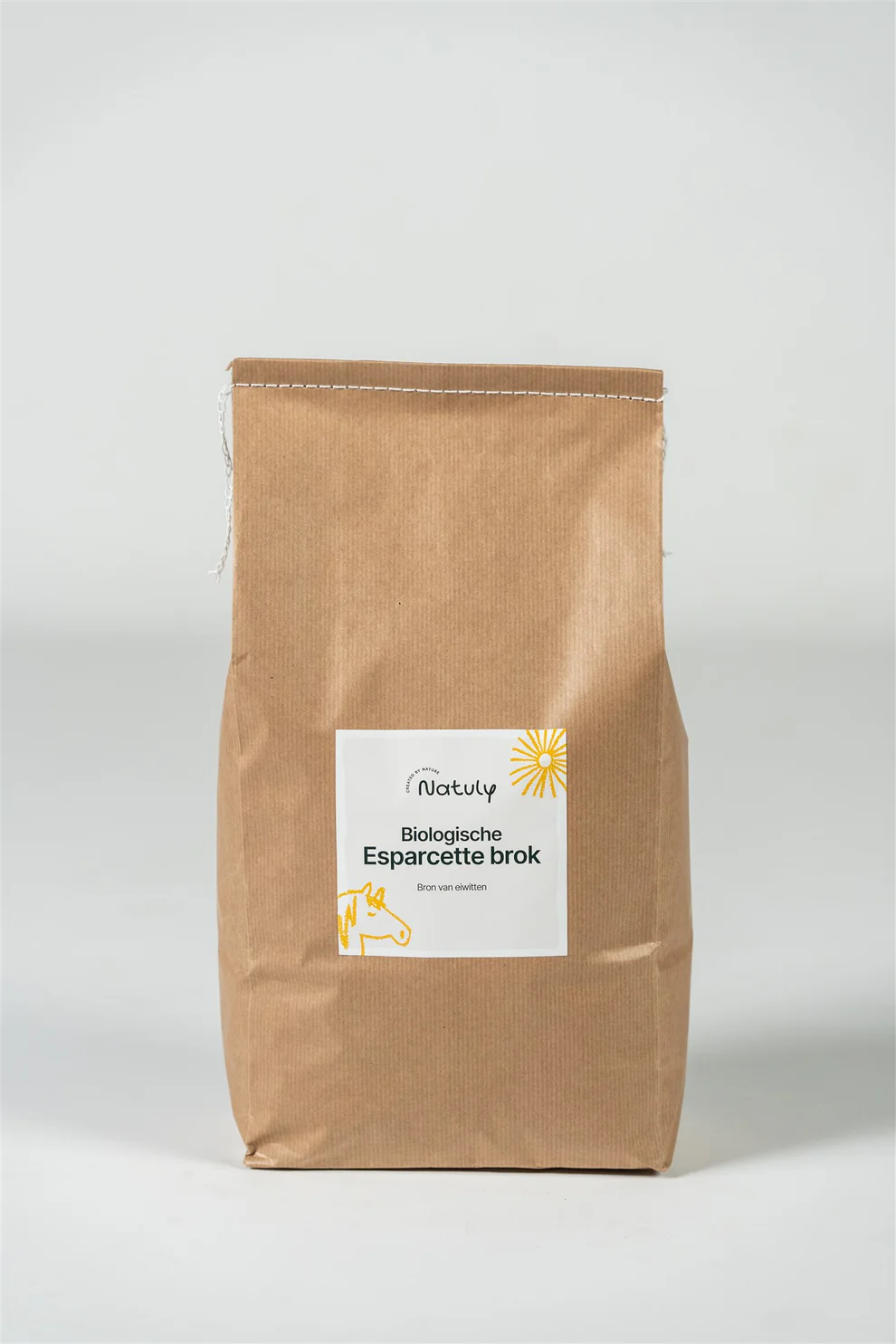
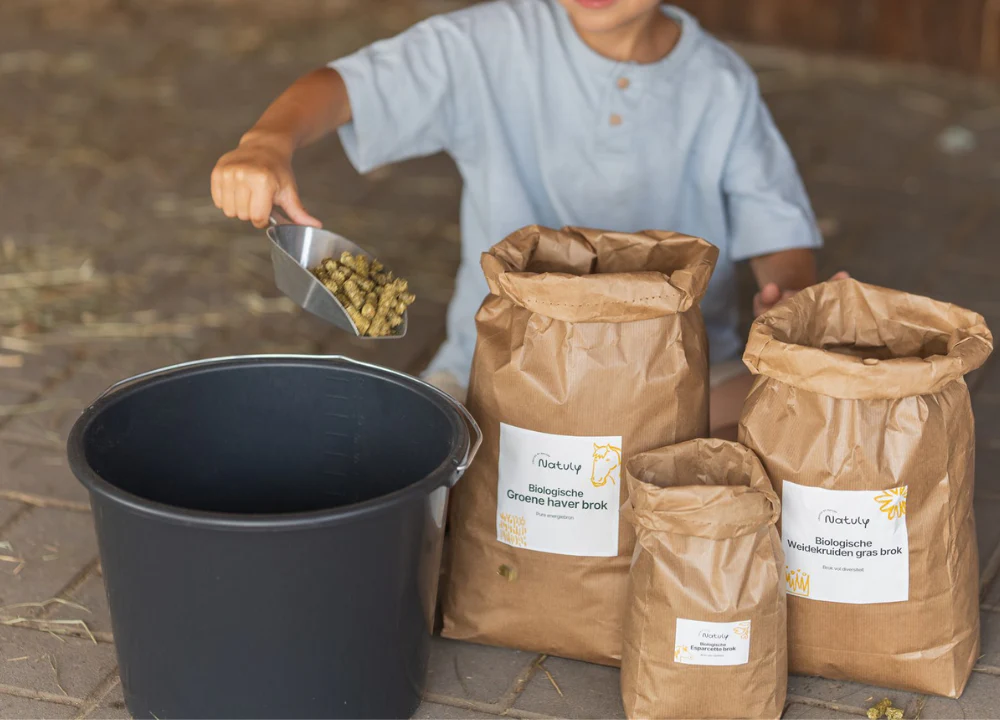

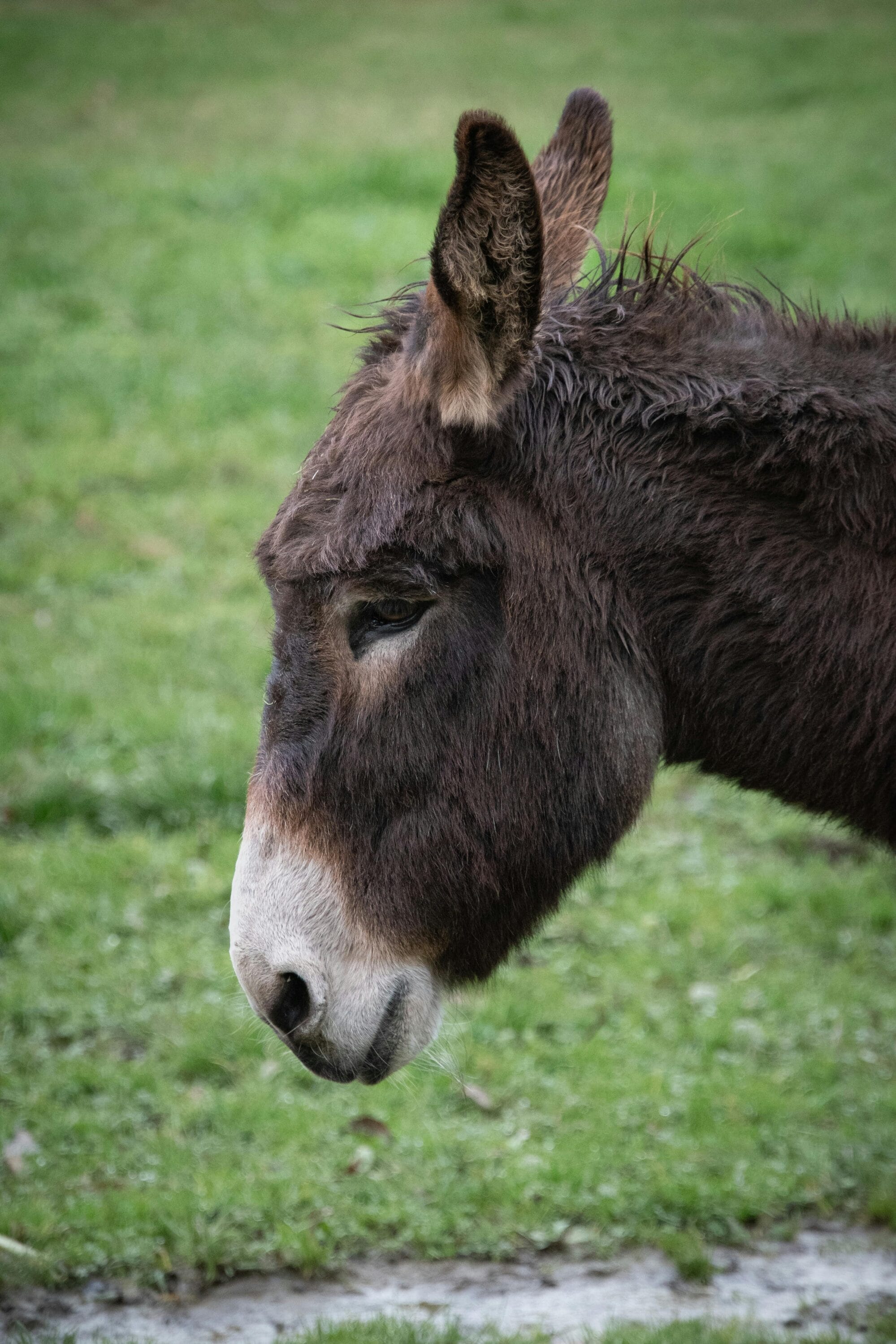

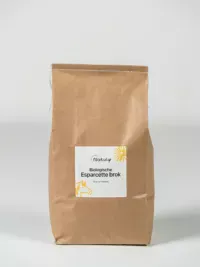
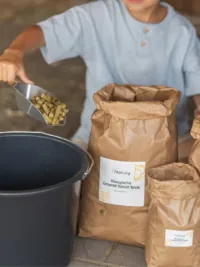
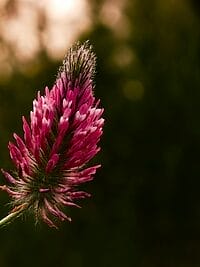
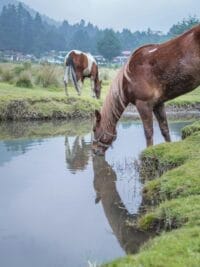
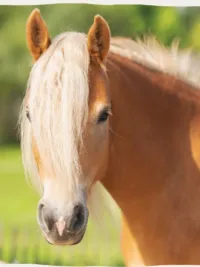
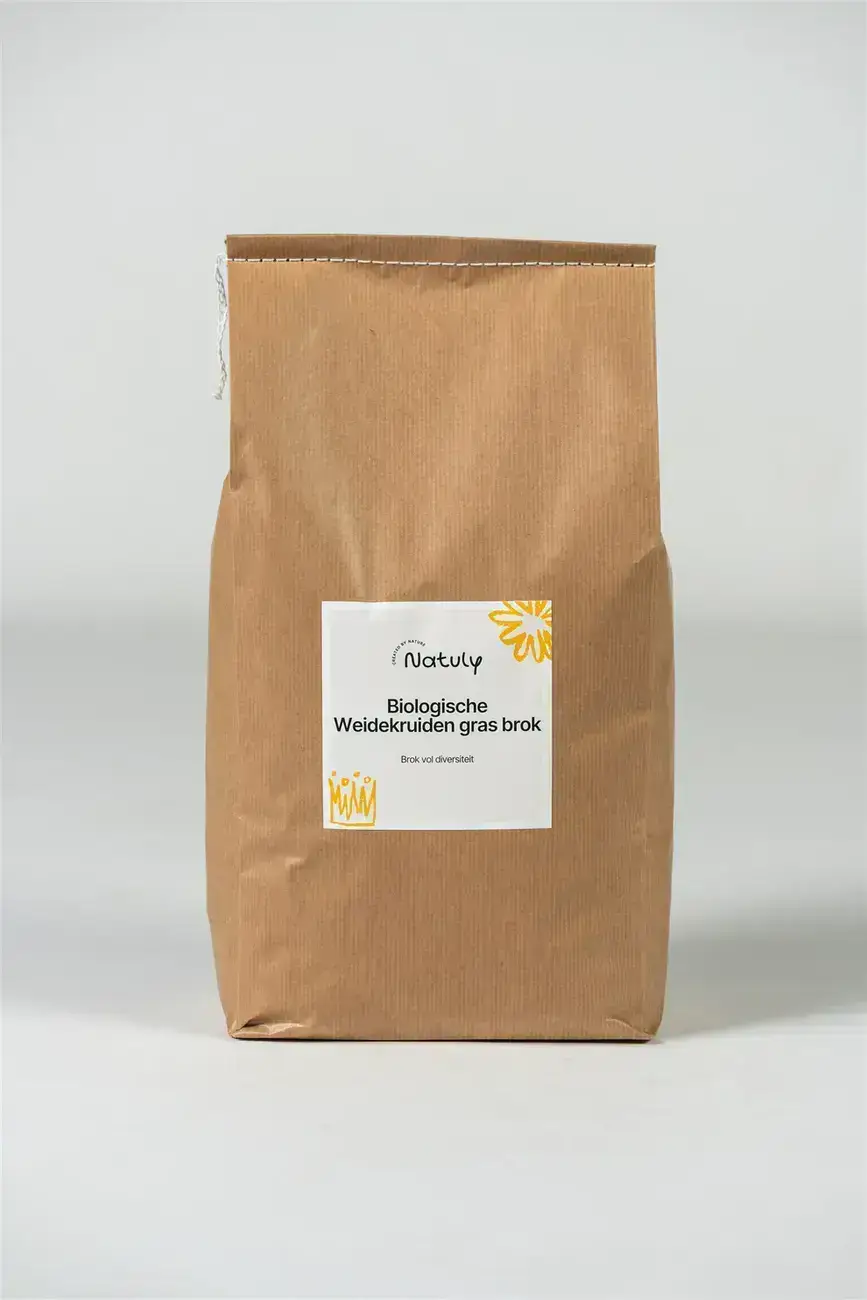
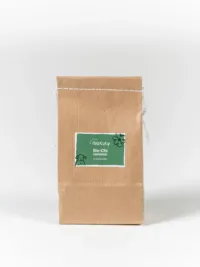
Natuly’s Esparcette Pellets are a high-quality feed made from esparcette, an ancient leguminous forage crop renowned for its natural nutritional value. These pellets are dried, ground and pelletised without any additives or preservatives, and are ideal for horses that require a high-protein, yet low-energy diet.
Benefits of Natuly Esparcette Pellets:
- Low in sugars, suitable for horses sensitive to sugar
- High-quality source of protein for muscle recovery and growth
- Low energy content, ideal for maintenance or as a dietary supplement
- Made from the whole plant, ensuring a balanced diet
- No additives or preservatives
- Dried with warm air, ensuring nutrients are well preserved
- 100% organic origin for a pure and natural product
Flo Féa added:
Esparcette (sainfoin) is a highly nutritious, legume-based feed for horses and offers a natural alternative to grain-heavy diets.
Rich in high-quality protein, digestible fibre and condensed tannins, it provides significant benefits for the digestive, muscular and metabolic systems.
The key benefits of esparcette for horses are as follows:
Digestive health and protection:
Reduced risk of colic and gas. Esparcette is highly digestible, reducing the risk of intestinal gas formation while supporting balanced, healthy gut flora.It is gentle on sensitive stomachs and can benefit horses prone to gastric issues such as diarrhoea, colic or ulcers.
Natural parasite support: The condensed tannins (polyphenols) in esparcette create an environment that is hostile to intestinal parasites such as small strongyles, which may reduce faecal egg counts.
Please note that it is not a substitute for dewormers, but rather a natural support tool.
High-quality protein and muscle development: Esparcette is rich in amino acids, particularly lysine, threonine and methionine, which are essential for building and repairing muscle and supporting immune system function.
Ideal for specific groups: Due to its high-quality protein content, it is ideal for breeding mares, young growing horses, and horses recovering from illness.
It is also metabolic and senior-friendly, and contains low levels of sugar and starch. It is excellent for horses with metabolic issues, including insulin resistance, Cushing’s disease (PPID) and laminitis, as it contains low levels of sugar and starch.
Weight management: It is effective for horses that are too thin or need to gain weight, while remaining safe for those with sensitive metabolisms.
High calcium: Like alfalfa, it contains high levels of calcium, but has a more balanced nutrient profile, making it a safer option for supporting overall health.
Added nutritional value/natural antioxidants: It is rich in antioxidants.Vascular support: It contains high levels of rutin, which promotes blood vessel elasticity.
No anti-nutrients: Unlike some other legumes, esparcette is free of oxalates and other anti-nutritional factors that can inhibit mineral absorption.Summary:
Form: Pellets or dried hay.
Best used as: A supplement to pasture or hay.
Best for: All horses, especially those with sensitive digestion, metabolic issues or requiring high-quality nutrition to gain weight and muscle.What are tannins?
Tannins are natural chemical compounds found in plants. They are polyphenols.
Key properties:
– Plant defence: Plants produce tannins to protect themselves from predators, insects and bacteria.
– Astringent taste: They create a dry, puckering sensation in the mouth by binding to proteins in saliva.
Binding ability: They bond easily with proteins, cellulose, pigments, and minerals.
Common sources include: Esparcette (sainfoin), bird’s-foot trefoil and certain tree leaves.
Human diet: Red wine, tea (especially black and green), dark chocolate, acorns and unripe fruit.
Industrial use: They have historically been used in tanning to turn animal hides into leather.
Key types:
Hydrolysable tannins: soluble in water, toxic to horses in large quantities (e.g. from oak leaves or acorns).
Condensed tannins: found in esparcette, safe for horses, provide digestive benefits.
Why is esparcette more difficult to harvest than alfalfa?
Esparcette (sainfoin) is more nutritious for horses than alfalfa, but harder and more expensive to grow. This is why alfalfa is the more popular forage crop, while esparcette is a premium speciality.The main reasons why esparcette is more challenging to harvest and manage than alfalfa are:
1. Slow and limited regrowth (fewer cuttings);
Single or limited cuttings: Alfalfa is highly resilient and regrows quickly, enabling farmers to harvest three to five cuttings per season.
Slow recovery: Esparcette regrows very slowly after being cut. In most regions, farmers can only get one excellent first cutting, with a second cutting yielding very poorly. This significantly reduces the overall seasonal biomass yield compared to alfalfa.2. High weed vulnerability during establishment.
Poor early competition: Esparcette seedlings grow slowly and have a smaller leaf surface area than alfalfa seedlings, meaning they cannot block out sunlight effectively.
Weed choking: As it does not establish a dense canopy quickly, weeds can invade esparcette fields. If weeds take over, harvesting pure esparcette without heavy weed contamination becomes difficult.3. Lower root carbohydrate reserves
Easily damaged crowns: Esparcette relies on storing nutrients in its roots to survive winter and bounce back after a harvest.
Strict timing window: If a farmer cuts esparcette too late in summer or too close to a frost, the plant cannot rebuild its root reserves, resulting in the entire crop dying over winter. Alfalfa is more resilient to aggressive harvesting schedules.4. Seed maturity and shattering: esparcette crops mature from bottom to top and single stems drop seeds from the bottom (mature) to the top (fresh).
Seed loss (shattering): if farmers wait for the top to ripen, the bottom seeds fall onto the ground and are lost.5. Sensitive processing and nutrient retention risks: Industrial drying and processing requires controlled temperatures. Too rapid drying or excessive heat can cause amino acid loss (e.g. lysine) and tannin activity drop, requiring expert management and higher prices.
Key Rules of Organic Production
No synthetic chemicals: Farmers cannot use artificial pesticides, chemical weed killers (herbicides), or synthetic fertilizers.
No GMOs: Genetically Modified Organisms are strictly banned in organic farming.
Soil health focus: Fertility relies on natural methods like crop rotation, compost, animal manure, and cover crops.
No sewage sludge: Using municipal waste biosolid fertilizers is prohibited.
Are you looking for: